
Chengdu to Lhasa Overland Epic 10 Days Adventure via G318
G318 is one of the most famous routes in China. Each year, countless travelers will go to Tibet via this road by car, bicycle or even feet. During this route, we will experience treacherous mountain roads, pass grotesque gorges, vast grasslands and breathtaking lakes. The 2100 km road trip will be your lifetime experience visiting Tibet as apart from natural landscapes, Tibetan culture, friendly local people and their religion will be a highlight on your trip as well!

Duration
10 Days
Group Size
15
Max Altitude
4100
Best Time
April to Sept.
Itinerary
Altitude: 500m
Welcome to Chengdu, the Hometown of Giant Pandas! Make your way to your hotel independently. The rest of the day is yours to relax and explore this panda city at your leisure.
Arrival Ideas:
Chengdu is well connected by air and high-speed rail. There are two airports - Chengdu Shuangliu International Airport and Chengdu Tianfu International Airport operating many international and domestic airlines. Travelers can go to Chengdu by air from most cities in China, like Hong Kong, Beijing, Shanghai, Guangzhou, Xian, Guilin, Hangzhou, Kunming, Lhasa, Lanzhou, Wuhan, Xiamen, Guiyang, Chongqing… In addition, travelers can take high speed train to Chengdu from Xian (3-4 hours), Chongqing (1.5-2 hours), Guiyang (3.5-4.5 hours), Kunming (6-6.5 hours), etc.
Free Time Ideas:
On this day, you have the flexibility to arrange your schedule and make your way to Chengdu.For those who arrive in Chengdu in the morning, you can visit the center of Chengdu, Chunxi Road, and the thousand-year-old ancient temple, Daci Temple. You can also check out the Chinese and Western architecture of Taikoo Li and the IFS Panda Climbing Wall.For those who arrive in Chengdu in the afternoon, you can head to Jinli Old Street and Kuanzhai Alley to experience the most leisurely and comfortable slow life in Chengdu. Alternatively, you can visit Xiaojiuguan (小酒馆), the tavern mentioned in Zhao Lei's song "Chengdu", and have a memorable experience.
Meals: None
Transportation: None (please head to the designated hotel in Chengdu by yourself)
Accommodation: standard room in 4 star hotel in Chengdu (complimentary gift)


Altitude: 500m-4,298m-2,600m
Distance: 400km, about 7 hours’ drive
After breakfast, drive west from Chengdu towards Western Sichuan, passing through the world-famous "Rainy City", Ya'an. Take the Yakang Expressway, cross the Erlang Mountain Tunnel, and arrive in Kangding, the capital of the Garze Tibetan Autonomous Prefecture, which is famously mentioned in the "Kangding Love Song".
After that, you will pass through Zheduo Mountain Pass, which sits at an altitude of 4,298 meters. Zheduo Mountain is located in Garze Tibetan Autonomous Prefecture, southwest China's Sichuan Province. Known as the first pass of the Kamba Area, the mountain is at an elevation of 4298 meters. Zheduo means "winding" in Tibetan Language, and means "a lot of winds" in Chinese, hence the name. Furthermore, the Zheduo Mountain Pass serves as the initial pass on the Sichuan-Tibet Highway to reach an altitude exceeding 4,000 meters, signifying the transition from the Sichuan Basin and the Dadu River Valley to the western plateau of Sichuan. On clear days, you can catch a glimpse of the magnificent Gongga Mountain, also referred to as the "King of Shu Mountains", towering at an elevation of 7,508 meters, from this vantage point.
Continuing your journey, you will drive to Xinduqiao, situated in the western part of Kangding City, Garze Tibetan Autonomous Prefecture, at an altitude of approximately 3,460 meters. Although not officially designated as a scenic area, Xinduqiao is often called the "Photographer's Corridor". It is a picturesque small town located in the west of Kangding City. Reputed as “A World with Lights and Shadow” and “A Paradise for Photographers”, Xinduqiao is the must-visit part for your Kangding Sichuan travel. This will be the paradise you’ll arrive in - blue, white, golden, black, green, red with elegant light and beautiful line, making you immerse in painting-like scenery.
After enjoying the captivating views in Xinduqiao, you will proceed to Yajiang County for your accommodation.
Meals: Breakfast
Accommodation: standard room in Yajiang County
Important Notes:
1. We will choose one of the two roads, S434 Airport Road (Honghai Lake) or G318 (Zheduo Mountain), depending on the time available for sightseeing and the road conditions;
2. It is recommended not to take a bath for 3 days before going to the plateau to avoid catching a cold and causing altitude sickness, which will affect the whole trip.
3. The water and electricity supply in the Tibetan area is insufficient, and there may be occasional water and power outages. Please bring your own wet wipes and flashlights. The water temperature for bathing may be unstable, or there may be water outages during the bathing process. Therefore, you should bathe quickly. It is best to bathe after you have fully adapted to the Tibetan area.


Altitude: 2,600m - 4,014m - 3,300m
Distance: 250km, about 6 hours’ drive
After breakfast, we leave Yajiang by car, experiencing the thrilling climb of the "Heaven Road's Eighteen Bends". We'll navigate the "Scissors Bend Tunnel" and then cross the "Kazi La Mountain" (4,718 meters) to reach Litaung, the hometown of Dingzhen. This place boasts magnificent scenery, and the 6th Dalai Lama, Tsangyang Gyatso, once expressed his longing for Litaung in a poem: "Oh, white crane, please lend me your wings. I won't fly far, just to visit Litaung..."
Our next stop is the "Letong Ancient Town and Qianhu Tibetan Village", featured in the promotional video of "Dingzhen's World." This world's largest traditional Tibetan village community boasts over 4,000 traditional houses, making it a perfect place to explore Tibetan culture and the Kangba style. Following our tour guide's explanations, we'll visit the "318 Memory Weibo Museum," "Kangba People Weibo Museum," "Rengang Ancient House (the birthplace of thirteen respected living Buddhas)," and the "Tsangyang Gyatso Weibo Museum." You might even have a chance to meet Dingzhen!
Next, we head to the Changqingchun Ke'er Temple, the oldest and largest Gelug Yellow Sect Tibetan Buddhist temple in the Kangba region, where we'll learn about its legendary stories.
After the tour, our journey continues. We'll pass by the Wuliang River and cross the "Rabbit Ear Mountain" (4,696 meters), resembling the shape of a rabbit. We'll also pass by the Haizi Mountain Nature Reserve (altitude: 4,500 meters), home to the Daocheng ancient glacier site, the largest on the Qinghai-Tibet Plateau. As we enjoy music inside the car, we can admire the magnificent scenery of the Maoyan Prairie. From June to August, the vast grassland bursts into life with wildflowers like Bangjinmeiduo, Gesanghua, and countless others, creating a splendid world of color.
On Haizi Mountain lie the Sister Lakes, two pools of azure serenity nestled close together. Sister Lake is the largest ancient glacier relic on the Qinghai-Tibet Plateau. Lying quietly at the foot of Haizi Mountain against the backdrop of snow-capped mountains and a crystal blue sky, the lake has become one of the must-see destinations for people who travel along the Sichuan-Tibet Highway. Each breath seems to carry their captivating tranquility. Like precious gems nestled in the desolate mountains, they appear as if the compassion of the gods has crystallized into tears. Pure and flawless, they are inviting and delightful.
Continuing our journey and enjoying the roadside attractions, we'll soon reach the Sichuan border in Batang.
Meals: Breakfast
Accommodation: standard room at Cuopu Valley
Special Reminders:
1. Altitude Acclimatization: Having acclimated to the higher altitudes over the past few days, today's journey will take us further into the high-altitude region. To prevent altitude sickness, our company has portable oxygen tanks available on board for emergency use.
2. Accommodation: Depending on factors such as season, road conditions, and room availability, we will arrange accommodation at either the Cuopu Valley entrance or within the Cuopu Scenic Area. If rooms are fully booked during peak season, we will arrange alternative accommodations in Batang County.


Altitude: 3,300m - 4,100m - 3,800m
Distance: 155km, about 4.5 hours’ drive
After breakfast, we set off for Cuopu Valley, which is located in the west of Ganzi Tibetan Autonomous Prefecture in Southwest China’s Sichuan Province, boasts of a brilliant condensation of mountains and rivers. It’s not completely developed yet, thus is still in its natural state. The pristine land combines natural and cultural views including peaks, glaciers, virgin forest, lakes, valleys, waterfalls, springs, grasslands and Tibetan temples.
Upon reaching the visitor center, we'll transfer to scenic area shuttle buses. Our first stop is Yaso Monastery, a Nyingma sect Tibetan Buddhist monastery that stands out amidst the verdant landscape with its vibrant red architecture.
Next, we'll venture to the Cuopu Hot Spring Group, renowned as the "Crown Jewel of Sichuan's Geothermal Resources." Within a 1.5-kilometer-long and 300-meter-wide area, over 150 hot springs and geysers bubble forth, reaching temperatures exceeding 85°C. Here, you'll have the opportunity to savor a unique culinary experience: delicious hot spring-boiled eggs.
Our journey continues to Zhangde Grassland, once hailed as the "Most Beautiful High-Altitude Cold Grassland in Western Sichuan" by China National Geographic magazine. As far as the eye can see, the majestic Zajin Jiapo Sacred Mountain looms in the distance.
We then arrive at the first sacred lake of the Kangba region - Cuopu Lake. Its shimmering surface reflects the vibrant hues of wildflowers that bloom along the lake's edge during the summer months, creating a breathtaking spectacle.
Finally, we'll check off Cuopu Monastery, Kangzhula Tso Lake, and Zhima Yong Tso Lake, a pair of emerald sister lakes that resemble exquisite jade stones. These captivating lakes are not to be missed, as they embody the very essence of Cuopu's beauty.
If fortune smiles upon you during your exploration of the scenic area, you might encounter the adorable marmots, engaging in a delightful interaction with these charming creatures, a testament to the harmony between humans and nature.
Exiting the scenic area, we'll pass through Zhubalong and cross the Jinsha River Bridge, entering the Tibet region before arriving at our final destination for the evening: Mangkang.
Meals: Breakfast
Accommodation: standard room in Mangkang County


Altitude: 3,260m
Distance: 360km, about 8 hours’ drive
On this day, you will enjoy a scenic drive from Mangkam County to Basu, with the opportunity to explore some remarkable attractions along the way.
First, you will pass through the main gate of Mangkang County and ascend along the road to cross the Lawa Mountain Pass, which stands at an elevation of 4,376 meters.
Continuing on your journey, you will come across Dongda Mountain, located in Zogang County, Chamdo Prefecture, Tibet Autonomous Region. It is the second highest pass in the south of Sichuan-Tibet Highway which has an elevation of 5,130 meters and is also known as the “restricted area of life”. Covering with snow all year round, Dongda Mountain is a sacred place for mountaineers. One side of the mountain is the impetuous Lancang River, and the other side of the mountain is Zugang County. In Dongda Mountain, the temperature can reach below zero degrees Celsius. But it can be 20 ℃ or so in Lancang River and the Nujiang Rive areas. The elevation experiences here can be nearly 2,500 meters in one day. Dongda Mountain is lawn green and attractive in summer with yak group and extremely beautiful scenery.
As you venture further, you'll encounter the expansive Bangda Grassland. It is alpine grassland with broad and slow topography and plenty of water and lush grass, which is more than 130 kilometers away from the county seat. Bangda Grassland transcends Bangda Town, Yiqing Township and so on. Ququ River flows through the narrow valley, where visitors can reach after about 3 hours travel from Lancang River in Chamdo Town. Here at an altitude of 4200 meters, is the watershed of Lancang River and Nu River and the mountain basin on the mountain ridge of Tenasserim Chain. Bangda Prairies are more than 80 kilometers long and 20 kilometers wide. The land is flat and the grassland is fertile. Don't miss the chance to visit the observation deck at an elevation of 4,444 meters, offering breathtaking views of winding rivers and vast grasslands.
Lastly, you'll experience the famous Nujiang 72 Turns, which is one of the most famous sections of the winding road along the Sichuan-Tibet Highway. The stunning sight is between the counties of Basu and Bangda. Drivers, passengers, and even thrill-seeking cyclists ascend from 3,100 meters to a breathtaking altitude of 4,658 meters to feast their eyes. Viewing the spectacular hairpin bends of the "Nujiang 72 Bends" from above, one can see the meandering road winding against snow-crested mountains' backdrop.
Finally, you'll arrive in Basu County, where you will find accommodations for the night.
Meals: Breakfast
Accommodation: standard room in Basu County
Special Reminders:
Once we officially enter Tibet, speed limits are strictly enforced throughout the journey. Therefore, it is essential to cooperate with the driver to ensure timely travel. Please be prepared for a long day ahead and pack snacks and water accordingly.
>
Altitude: 2,750m
Distance: 360km, about 6 hours’ drive
After breakfast, drive along the G318 National Highway and spend your time visiting Ranwu Lake, also known as Rakwa Tso, which is renowned for its tranquility and its purity of blueness. Scenery along the lakeside varies a good deal with grass, forest, leaves, white waterfowl and colorful pebbles clearly reflected in the mirror-like water.
The lake is fed by glaciers and melt water from the surrounding mountains, and its crystal-clear waters reflect the beauty of the landscape. Ranwu Lake is a popular destination for travelers who come to enjoy the scenery, hike in the mountains, and experience the unique culture of Tibet. In Tibetan, it is known as Rannu Co, with "Co" meaning "lake" in the Tibetan language. The lake is adorned with green grass and crops along its shores, while the mountainsides are covered in dense forests, creating breathtakingly beautiful scenery.
Later, continue driving another 47 kilometers to visit Midui Glacier. Midui Glacier is on the upstream of Midui River and melting glacier flows into Midui River and then into Parlung Tsangpo River. Midui Glacier is the most important marine glacier in Tibet and the lowest elevation glacier in China. It has been recognized as one of the six most beautiful glaciers in China by China National Geography Magazine. The glacier boasts stunning ice falls, a giant ice basin, and a harmonious coexistence with surrounding mountains, forests, lakes, and villages. Take the Eco-bus to explore the glacier's beauty up close, observing the unique formations, ice structures, and surrounding landscapes.
After the tour, drive to Bomi County for your accommodation.
Meals: Breakfast
Accommodation: standard room in Bomi County


Altitude: 3,000m
Distance: 240km, about 5-6 hours’ drive
On this day, you will drive from Bomi County to Nyingchi. On the way, your first stop will be Guxiang Lake in Bomi. Located along the G318 National Highway, the lake features a small island at its center. The surroundings are serene, with smooth and tranquil stones lining the beach. The lake’s water is crystal-clear, reflecting the sky, snow-capped mountains, and other natural scenery, creating a breathtakingly beautiful picture.
As you continue the drive, you will pass through Tongmai Bridge before arriving in Lulang Town. This town, situated at an elevation of 3,700 meters, is renowned for its stunning natural scenery, lush forests, and vibrant Tibetan culture. Often referred to as the "Little Switzerland of Tibet," Lulang is famous for its alpine landscapes and idyllic charm.
For lunch, your group will savor the delicious Lulang Stone Pot Chicken. The unique stone pot, crafted from rare materials, is the pride of the dish. Each pot is prepared with Tibetan free-range chicken and enhanced with ingredients like finger ginseng and gastrodia (a type of medicinal herb).
Afterward, you will visit a small Tibetan village, passing through picturesque pastoral landscapes along the way. The lush greenery, grazing cattle and sheep, roaming chickens and dogs, crisscrossing fences, and patchwork fields perfectly showcase the idyllic beauty of Nyingchi. In the village, the Tibetan hosts will warmly welcome your group with a ceremonial Hada. You will then have the opportunity to immerse yourself in authentic Tibetan experiences, such as drinking butter tea, making Tsampa (roasted barley flour), horseback riding, and archery. For those who appreciate Tibetan culture, this is an experience not to be missed. Additionally, we have prepared beautiful Tibetan costumes for you to wear and take memorable photos.
Later, drive to Segrila Pass, located 48 kilometers away. Segrila Pass is renowned as one of the highest road passes in Nyingchi, standing at an impressive elevation of 4,768 meters. Situated on the southeastern edge of the Nyainqentanglha Range, it offers awe-inspiring panoramic views of the surrounding snow-capped peaks. Among these majestic peaks, you will witness the remarkable sight of Mount Namche Barwa, the highest mountain in the eastern Himalayas. Mount Namche Barwa, towering at an incredible elevation of 7,782 meters, is celebrated for its breathtaking beauty and is widely regarded as one of the most awe-inspiring peaks in the region. Its surroundings are adorned with deep gorges and dense forests, which only add to its majestic allure. At Segrila Pass, you will have ample time to take in the stunning panoramic views.
And then, cross Segrila Pass, descend all the way to the Niyang River (Nyang Chu), where you can enjoy the stunning river valley scenery. Then, you will arrive in Nyingchi.
Stay overnight in Nyingchi for accommodation.
Meals: Breakfast, Lunch
Accommodation: standard room in Nyingchi


Altitude: 3,650m
Distance: 480km, about 7 hours’ drive
After breakfast, you and your group will embark on a scenic journey from Nyingchi to Basomtso Lake (altitude: 3538 meters), a mesmerizing alpine oasis also known as Basom Tso Lake or Dragsum Tso Lake. Basumtso Lake is surrounded by mountains and enjoys a temperate climate. At the feet of the snow-clapped mountains, the vegetation is luxuriant and the trees of black maples, birches, pines cypresses and azaleas connected each other to form a world of greenery. The pristine waters of the green lake reflect the picturesque snow-capped peaks surrounding the lake. The entire area around Basum Lake is so beautiful that thoughts of the inspiring Swiss Alps come to mind as one stands on the shoreline of this majestic lake. Animals are living a comfortable and easy life in Basum. Fish are shoaling in the water, birds are circling in the air and beasts are roaming in the nearby forest.
Upon arrival, surrender to the captivating serenity that envelops the lake, immersing yourself in its tranquil ambiance and celestial charm. A visit to Tashi Island, a small islet nestled within Basumtso Lake, is an absolute must. This sacred haven holds deep significance for Tibetan Buddhists and is home to Tsozong Monastery, a humble yet profoundly meaningful Buddhist sanctuary. With origins dating back to the 17th century, this spiritual haven preserves invaluable relics of the faith. Take a leisurely hike around the island, a path that meanders through spellbinding vistas of the lake and its majestic mountain guardians. As you traverse the island in harmonious synchrony, you will encounter the legendary Peach Embracing Pine, remnants of the ancient water burial platform, and the awe-inspiring "Letter Tree" adorned with naturally formed Tibetan letters on its delicate leaves. Don't forget to pay reverence to the sacred well, an oasis where timeless traditions and spiritual connection intertwine.
After this captivating experience, venture towards the enchanting embrace of Jieba Village - a realm straight out of a fairy-tale. This idyllic hamlet offers an unparalleled vantage point to behold the magnificence of Basumtso Lake and the regal snow-crowned peaks affectionately known as the "King's Throne" and "Burning Flame." The village, gracefully inhabited by a close-knit community of traditional Tibetan families, provides a gateway to immerse yourself in the rich tapestry of Tibetan culture.
After visiting Basumtso Lake, it is time to drive to Lhasa. The journey back will take approximately 5-6 hours.
Meals: Breakfast
Accommodation: standard room in Lhasa City


Altitude: 3,650m
Distance: 20km, about 0.5 hour
Today, it is the time to explore Lhasa by visiting the world-famous Potala Palace, a World Heritage site and the picture behind the 50 RMB. And then, you will explore Lhasa by visiting Jokhang Temple, a world cultural heritage site renowned for its brilliant architecture, culture, art, and history. Finally, you can stroll through the famous Barkhor Street with locals and learn more about the daily kora life of Tibetans.
In the morning, you can walk up to the Potala Palace to explore. Initially built in 641 AD and listed as a world heritage site in 1994, the Potala Palace is the most popular tourist attraction in Tibet. The halls, murals, statues and mountain views will make you shocked even if you are not a Buddhist. After climbing 365 steps from the gate of the Potala Palace to reach the Red Palace, you will arrive at the highest palace in the world at an altitude of 3,700m, where you can enjoy an excellent panoramic view of Lhasa city. As you explore the principal halls, chapels, and shrines of past Dalai Lamas in the Red Palace, you will be amazed and moved by its remarkable paintings, gorgeous jeweled works, skilled carving, colorful ornamentation, and the mystery stories behind the treasures. Inside the Potala Palace, you will meet many Tibetan pilgrims who come from afar to pray at this sacred site, making it a lifetime destination for them. You can also ask your guide to provide more stories about Songtsen Gampo, the 33rd king of Tibet, who first built the Potala Palace in the 7th century for his marriage to Princess Wencheng of the Tang Dynasty. (Please note that the visit order may be adjusted based on the visiting time specified on your Potala Palace ticket. All visitors are required to visit the palace with a tour group and remain inside for one hour. Please be advised that photography is prohibited inside the palace.)
Located in the heart of Lhasa for over 1300 years, the Jokhang Temple is an important pilgrimage site for Buddhists from all over the world. It is considered the spiritual heart of Lhasa city and the most sacred monastery in Tibet due to the status of Jowo Rinpoche. The Jokhang is 1,000 meters (3,300 ft) southeast of the Potala Palace, in the center of the old city of Lhasa. It is also the oldest temple in Lhasa, with a history of more than 1,300 years. It was an important symbol of the Tubo dynasty at that time, and it is still the center of many important political and religious activities in Tibet.
Tibetan people called the area of Jokhang Temple and Barkhor Street(a pilgrim path around the temple) “Lhasa”, which means holy land or Buddha land in Tibetan. Thus you can see Jokhang Temple has a supreme position in Tibetan people's minds. If you stay in Jokhang Temple longer and observe it carefully, you will find it's the center of the Lhasa people’s living life. All people's daily lives expand around this monastery. With the thick smell of yak butter, echoing with the murmur of mantras and bustling with awed pilgrims, visiting Jokhang Temple is an unrivaled travel experience. (Please note that the visit order may be adjusted based on the reservation of your Jokhang Temple Ticket Reservation.)
Afterward, take a walk on busy Barkhor Street. Located near the Jokhang Monastery, the Barkhor Street was only a place for Buddhists to do a religious circumambulation in ancient times. Nowadays, tourists can buy exquisite souvenirs on the street, such as handicrafts, costumes, tea, prayer wheels and Tibetan incense. With a history of over 1300 years, this sacred way of Buddhism has now evolved into a unique old style street quarter with four main sections connecting 35 branches, appealing to hundreds of thousands of tourists from all over the world.
Potala Palace Ticket Booking:
When visiting Potala Palace, it is important to know that they have a real-name reservation system for tickets. To make a reservation, you must provide valid identification documents such as an ID card, household registration, or passport. Once your reservation is successful, you cannot make another reservation within 7 days of your visit. If you provide incorrect information and are unable to enter Potala Palace, the travel agency is not responsible for any consequences. Remember to bring your original valid identification documents with you. If the name or ID number on your documents does not match the information provided, you will not be allowed entry. Please note that the ticket purchase fee is non-refundable.The visit time for Potala Palace is assigned randomly by the management office using a computer system. You cannot specify a specific visit time, and there may be differences between the actual tour route and the itinerary provided as a reference.During the peak season, Potala Palace has restrictions on the number of visitors allowed. Each travel agency in Tibet has a limited number of reservation spots for tour groups on a daily basis. To ensure a smooth visit for tourists, travel agencies use different methods to address this issue. Due to special requirements when purchasing tickets through different channels, please follow the arrangements made by your guide. The following situations are considered normal arrangements:1. Each tour group may be divided into smaller groups, which means that you may be separated from your team or individuals you booked with and grouped with other tourists you may not know for entry.2. Each smaller group is assigned a different time or date for the visit.
Jokhang Temple Ticket Booking:
Jokhang Temple tickets require real-name reservation. From 7:00 to 23:59 daily, you can reserve the next day's tickets on the "Jokhang Temple Reservation" WeChat mini-program until the reservation quota is full. Therefore, it is necessary to make ticket reservations one day in advance. Please make the reservation under the guidance of your guide.Jokhang Temple is a religious temple, not just a tourist attraction. In case of special circumstances such as important religious activities that may cause temporary closure for visitors, your understanding is appreciated.
Meals: Breakfast
Accommodation: standard room in Lhasa City


Altitude: 3,650-3,660m
Distance: 60km, about 1.5 hours’ drive
Today you will be free until your drop-off service. Safe journey back home.
Service Inclusions
- Transportation: Vehicle type arranged according to group size
- Accommodation: 9 nights in standard twin rooms
- Entrance Tickets: Letong Ancient Town, Cuopu Valley, Midui Glacier, Basumtso Lake, Potala Palace, Jokhang Temple
- Meals: 9 breakfasts + 1 special meal (Lulang Stone-Pot Chicken)
- Guide: Chinese / English / bilingual guide throughout the trip
- Cultural Experiences: Tibetan greeting ceremony with khata scarves, butter tea, tsampa making, horseback riding, archery, hanging prayer flags, and throwing lungta
- Group Equipment: First-aid kit, pulse oximeter, thermometer—your health will be monitored daily
- Government tax
- Complimentary Services: 1. Free Tibet Travel Permit arrangement. 2. One bottle of mineral water per person per day. 3. Tibetan-style souvenir. 4. Transfer from Lhasa hotel to Lhasa Gonggar Airport (08:30-22:30). 5. Travel accident insurance up to RMB 800,000 (property not included). 6. Travel kit: neck pillow, 2-piece rain poncho, and two bottles of oxygen per person.
Service Exclusions
- Domestic flight/train ticket to Chengdu and leave Tibet
- Meals not specified in the itinerary
- Tips and gratitude to tour guide, driver and helpers: We recommend a daily gratuity of 10 USD per person per day for both the guide and driver (total).
- Single room supplement
- Optional/Mandatory Fees Not Included: Honghaizi cleaning fee: RMB 10–20/person (optional); Basomtso Lake boat ride: RMB 180/person (optional)
- Personal expenses, like laundry, phone call, snacks, soft drinks and cost caused by force majeure
- Extra cost caused by force majeure
Value Added
1. 7*24 English Professional Customer service Support! Whenever you are in need, our customer service will be available to help you.
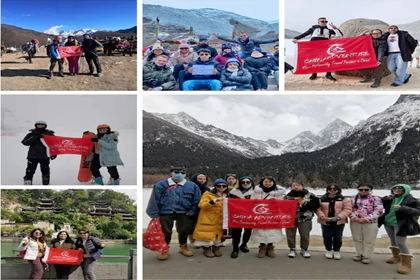
2. Easy booking and Flexible cancellation! Unlike most travel agency, we do provide free cancellation policies to travelers with good reason such as disease, covid, family emergency etc.
3. Safety guarantee journey and well-equipped logistic support team
For mountain hike trip , we provide
Professional Climbing Equipment and Well-prepared Logistic Support
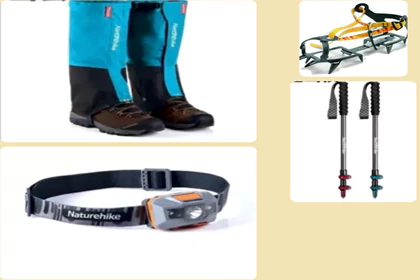
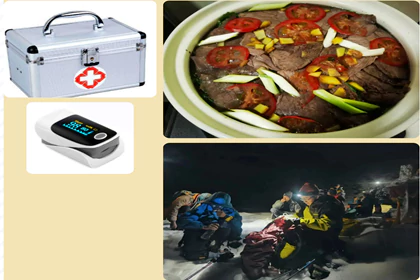
4. We took to you less-tourists visited off the beaten path only to let you know real China
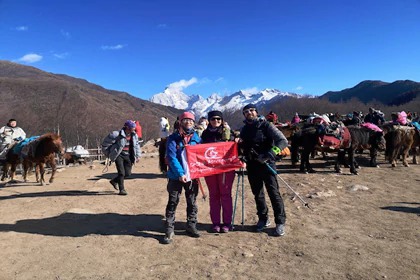
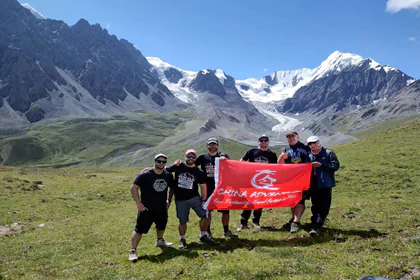
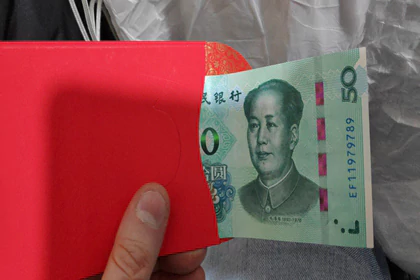
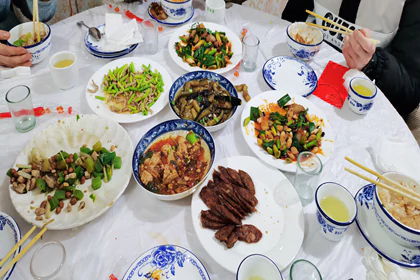
5. Special gifts , free holiday dinner and souvenirs for holidays from China Adventure Team
Reviews
No reviews for this product yet.